Crisis in Sudan
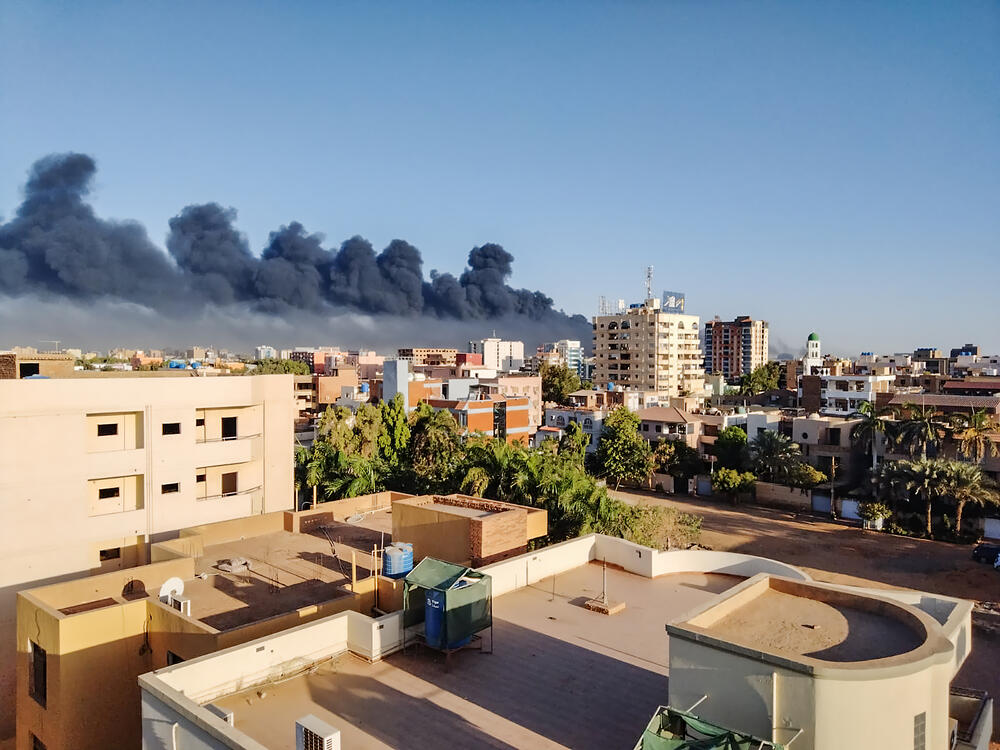
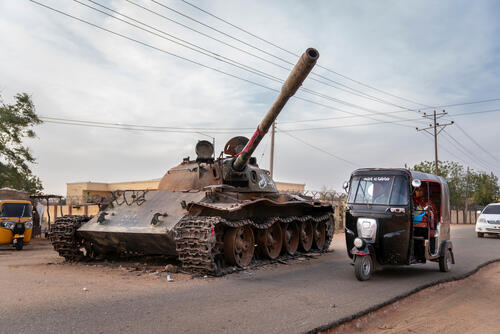
On Saturday 15 April 2023, a brutal civil war broke out across Sudan with a wave of gunfire, shelling and airstrikes.
The violence between the Sudanese Armed Forces (SAF) and the Rapid Support Forces (RSF) has trapped millions of people in the middle of an unexpected conflict. Hundreds of thousands have been forced to flee their homes while access to essential services such as healthcare has become increasingly difficult.
Médecins Sans Frontières / Doctors Without Borders (MSF) teams already working in Sudan have been responding to the crisis since its first moments.
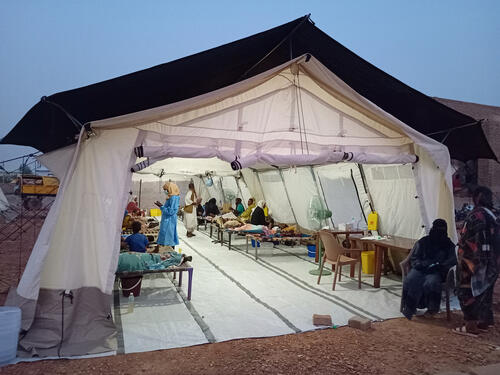
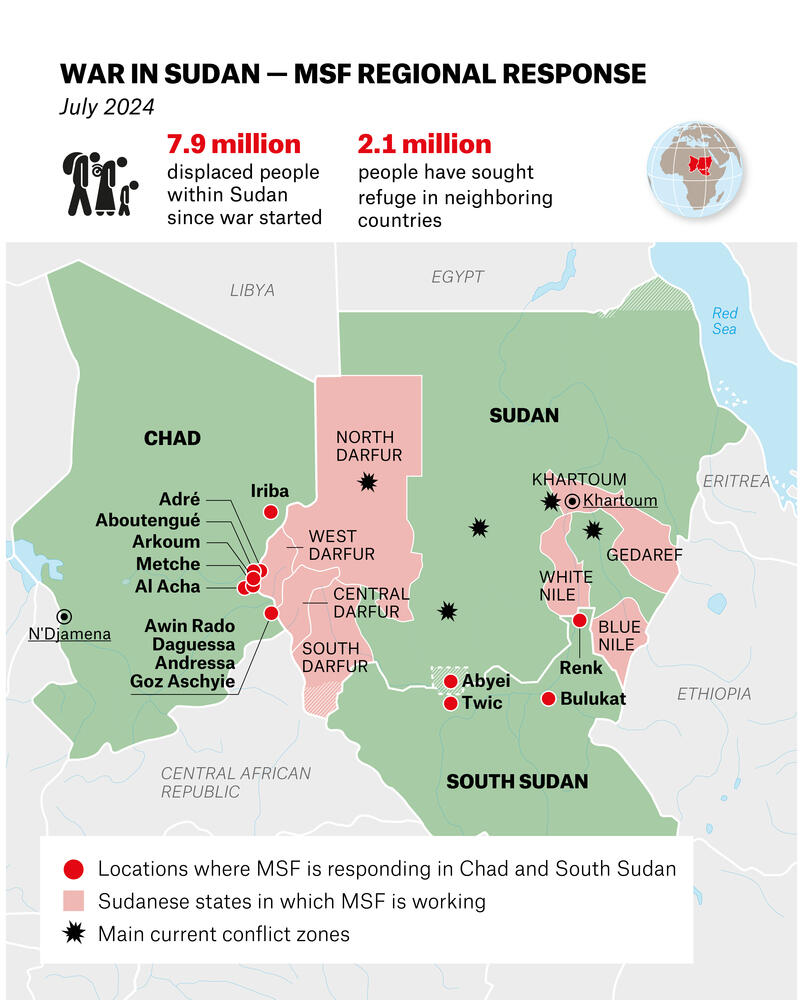
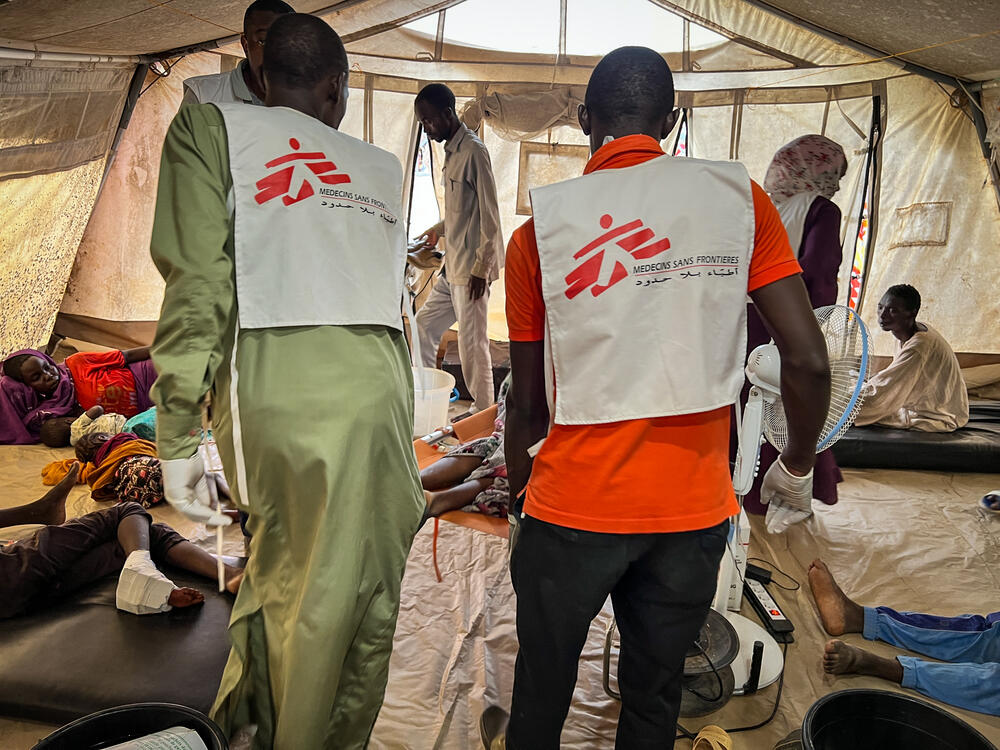
Our healthcare projects and hospitals – in some places the only medical facilities still open – have treated influxes of critical patients: the war-wounded, pregnant women in labour, and chronically ill people with nowhere else to go. At the same time, MSF teams in neighbouring Chad have received huge numbers of injured refugees who have travelled for miles to reach urgent care.
However, the wider international response is still inadequate, and Sudanese authorities have imposed restrictions on humanitarian organisations. This means that people in need are now further cut off from care.
MSF urges that Sudan must not become a forgotten crisis.
What is happening in Sudan?
Healthcare is under attack
MSF alone has recorded at least 60 incidents of violence against our people, our vehicles and our buildings.
Humanitarian aid is being deliberately blocked
A staggering 25 million people are estimated to need humanitarian assistance in Sudan and MSF has been working with the Ministry of Health to treat some of this vast number of people who require urgent medical care. But the Government of Sudan has repeatedly and deliberately obstructing humanitarian aid, especially to areas outside of SAF control.
There is a catastrophic food crisis
The conflict has disrupted food supply across Sudan and people have been cut off from their jobs, meaning millions now face a new crisis: hunger. At Zamzam – a vast camp in North Darfur where over 300,000 people are sheltering – our teams have witnessed the severe impact of this food insecurity.
Medical supplies are running out
The obstruction of humanitarian aid means medical supplies are critically low. At times, this had made some life-saving care almost impossible.
Read: Why is no one talking about the biggest humanitarian crisis on Earth?
Sudan crisis: Latest news and stories
What is MSF doing in Sudan?
MSF currently works in and/or supports 14 hospitals, seven primary healthcare facilities and clinics, provides mobile clinics in two camps in eight out of 18 states in Sudan. MSF:
- Provides emergency treatment, carries out surgeries, including trauma care for war wounded and non-war related injuries
- Runs mobile clinics for the displaced population
- Treats diseases, provides maternal and paediatric healthcare, including safe births, and offers water and sanitation services
- Donates medicines and medical supplies to healthcare facilities, and provides incentives, training, and logistical support to Ministry of Health staff
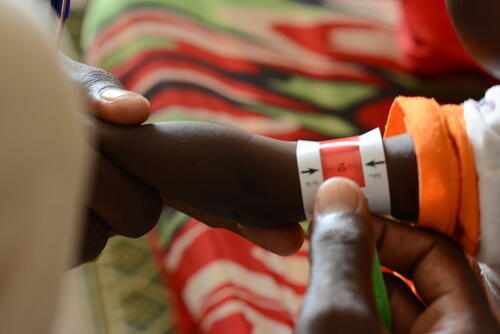
- Continues medical activities in place before the war began, including treating severe malnutrition and providing healthcare in internally displaced people and refugee camps
- Delivers vaccination programmes in response to outbreaks
- Delivers mental health support for sexual and gender based violence
How can I help MSF in Sudan?
Right now, our teams in Sudan are treating patients injured or affected by the conflict. This is only possible because of donations from people like you.
By giving to our general funds today, you will be helping ensure we can respond to emergencies around the world, including in Sudan.
Please donate today to support our emergency teams.
Click here to learn more about how we spend your money
Background to the Sudan crisis
Following a military coup in 2021, most international aid to Sudan was frozen. This led to an economic crisis and increased food insecurity.
Sudan’s healthcare system was also extremely fragile even before the recent escalation in violence and access to basic medical services has been a challenge for most people.
This critical situation has been caused by a combination of recurring violence and conflict, the economic situation and the cost of healthcare, and an overall lack of medical staff and resources.
Added to this, the sharp decline in international aid has had consequences including reduced vaccination coverage and increased malnutrition among children.
Before the conflict, around 78,000 children under five were dying each year due to preventable causes such as malaria. In the first four months after 15 April, around 50,000 children with accurate malnutrition had their treatment disrupted.
Sudan also already had a high maternal mortality rate, with around 25 percent of births unattended by a skilled healthcare professional.
The stark reality is that Sudan’s healthcare system has been on the verge of collapse for decades. However, with the rapidly deteriorating humanitarian and security situation, low-running supplies and under-pressure staff, it is now at breaking point.
MSF in Sudan before the conflict
MSF has been working in Sudan since 1979. We have been providing medical aid throughout the civil war that led to the split with South Sudan in 2011, and the decade-long conflict in the Darfur region.
Before the recent escalation in violence on 15 April 2023, we were running 11 medical projects across 12 states. This included 24 healthcare facilities, from mobile clinics to hospitals.
In 2022, MSF teams in Sudan held 449,654 outpatient consultations, admitted 21,664 people to hospital, treated 5,621 children for malnutrition and assisted in 2,791 deliveries.